RELATIONAL SOMATIC TOUCH
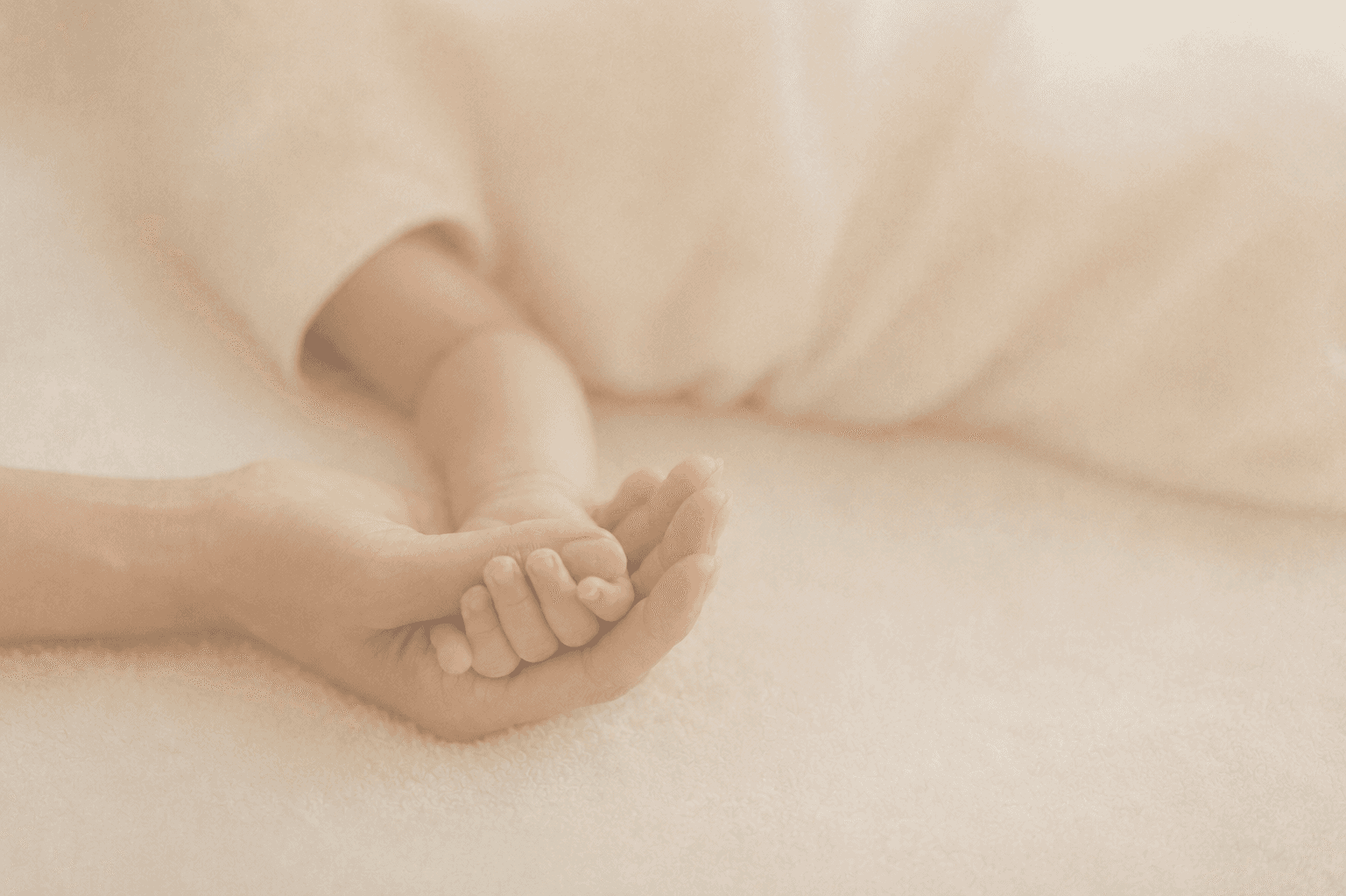
A relational, body-based approach to healing through attuned touch
There are experiences that words alone cannot fully reach.
Not because they are inaccessible,
but because they may have been experienced before words were available.
They are often held in sensation, pattern, and internal experience long before they can be fully spoken.
You may notice this as tension, distance, a sense of disconnection, or feeling as though you have to hold everything on your own.
In my work, NeuroAffective Touch is a way of gently meeting these patterns
through care, presence, and attuned contact.
What Is NeuroAffective Touch?
NeuroAffective Touch is a trauma-informed, body-based approach that integrates touch into therapeutic work.
It is grounded in the understanding that mind and body are continuously influencing one another.
Experience moves through sensation, emotion, and internal states.
The mind responds and makes meaning.
Both shape how we experience ourselves, others, and the world around us.
Many therapeutic approaches focus primarily on thoughts and understanding.
In my work, I also include the body directly, allowing for a more integrated way of working.
Touch becomes one way of communicating within this system.
Not only through words, but through contact, presence, pacing, and attunement.
Working Beyond Words
Many of our earliest experiences happened before we had language.
How we were held, responded to, or left alone can deeply influence how the nervous system learns to respond and relate.
These experiences may shape:
our sense of safety
our ability to regulate
how we relate to others
how we relate to ourselves
Often, these patterns are not held as explicit memories, but as lived experiences that continue to show up through the body and nervous system.
In sessions, we may begin to notice some of these patterns together.
Something new may emerge.
Or it may take time simply to sense what is there.
Both are part of the process.
At times, experiences that could not be fully processed earlier in life can continue to show up in the body and nervous system long afterward, often seeking conditions where they can be approached with enough safety, support, and care.
Part of this work is creating space for those experiences to be noticed gradually, without force or urgency.
Why Touch Matters
From the very beginning of life,
touch is one of the primary ways we come into relationship with the world.
It is through touch and contact that we first begin to experience:
connection
support
co-regulation
enough safety to remain in contact with ourselves and others
When this kind of contact is consistent and attuned,
it can support development and regulation.
When it is inconsistent, absent, or overwhelming,
ways of protecting or adapting can begin to form.
In my work, touch is not used to recreate the past,
but to explore the possibility of a different experience in the present.
Sometimes this may feel noticeable.
Sometimes it can feel subtle, unfamiliar, or difficult to sense at first.
A Trauma-Informed Approach to Touch
Touch is always offered with clarity, consent, and choice.
Nothing is assumed.
Nothing is imposed.
This means:
we discuss and agree on touch before and during the session
you remain in control of what feels okay
touch can be paused, adjusted, or not used at all
your responses guide the process
Touch is not used to override the nervous system.
It is used in a way that stays in relationship with it.
Sometimes touch may be included.
Sometimes it may not.
What matters is that your system can remain in contact with the experience
in a way that feels manageable enough in the moment.
How This Work Supports the Nervous System
NeuroAffective Touch works with both emotional and physiological experience.
By engaging directly with lived experience,
it allows bodily sensations, emotional responses, and cognitive awareness
to come into relationship with one another.
Through attuned and regulated contact, you may begin to notice:
a sense of support where there has been effort or holding
increased awareness of internal sensations
shifts in patterns of tension, shutdown, or activation
moments of being able to stay present where it previously felt difficult
This is a process I am trained to track and work with carefully, moment by moment.
Sometimes these shifts appear in subtle everyday ways:
noticing you are bracing and being able to soften, even slightly
feeling more able to receive support without immediately pulling away
staying present in connection for a little longer
noticing less urgency to do everything alone
or recognizing how unfamiliar it can feel to truly rest
These changes are often gradual.
At times, they may not feel like change at all in the beginning.
Over time, some people begin to notice small but meaningful shifts,
such as having a little more space before reacting,
feeling less overwhelmed in certain situations,
or being able to remain present with experiences that previously felt difficult to stay with.
How This Work Is Different from Bodywork
This is not traditional bodywork.
The intention is not to manipulate, fix,
or create a specific physical outcome.
Instead, the focus is on:
awareness
nervous system regulation
emotional and relational experience
Touch is used with attunement,
in relationship,
and in connection with what is happening internally.
Nothing is approached as something that needs to be corrected,
but as something that may need to be listened to, understood, or met differently.
How I Work
Sessions are relational, attuned, and guided by your nervous system.
All sessions are held online.
While NeuroAffective Touch traditionally includes in-person contact, in my work this is thoughtfully adapted through guided awareness, self-touch, and relational attunement.
This way of working draws from my training in NeuroAffective Touch, developmental trauma (NARM), somatic and parts-based approaches, breath-based practices, and mindfulness.
In sessions, we may explore different forms of contact, depending on what feels supportive and manageable for your system:
self-touch
gentle, guided contact with your own body
awareness of contact and support
noticing where your body meets the surface beneath you
relational attunement
the experience of being met, accompanied, and emotionally held in connection
Sometimes the work is not about doing more,
but about having enough space to notice what is already there,
without immediately needing to change it.
In those moments, I am not trying to push your experience in a particular direction,
but staying with you in it,
so it does not have to be carried alone.
I follow your nervous system closely.
This means we may slow down, pause, or shift direction at any point,
depending on what feels possible in that moment.
At times, what allows change is not only what we do,
but the experience of being accompanied in what you are feeling.
Sessions may also include:
conversation
awareness of sensation
moments of stillness and integration
space for emotional experience and reflection
Sometimes, simple grounding or regulating elements can help support connection:
pillows or blankets
warmth, such as a hot water bottle
a familiar object
simple drawing or expression through lines, color, or words
These are not used for performance or interpretation,
but as ways of supporting expression, regulation, and connection.
You are not left alone in the process.
You are met not only in what you say,
but also in what may be happening beneath the words.
We always work within what feels manageable for your system.
This is how I hold and offer this work.
What This May Support
This work may be supportive for:
patterns of tension, bracing, or holding
difficulty feeling safe, settled, or grounded
disconnection from emotions or internal experience
challenges with trust, closeness, or receiving support
experiences of overwhelm or shutdown
It may also support a deeper sense of:
connection to self and others
emotional regulation
internal stability
capacity to feel and remain present
What a Session Can Feel Like
Each session is different.
At times, it may feel quiet or subtle.
At other times, something may begin to shift or come more clearly into awareness.
You may notice:
a sense of support
softening or release
emotions becoming more noticeable
or simply a clearer awareness of what is present internally
At other moments, you may notice:
numbness
uncertainty
resistance
confusion
or difficulty staying connected to the experience
There is no right way for this process to unfold.
The work meets you where you are.
Over time, this process may begin to influence how you relate to yourself, others, and your internal world.
If something in you recognizes this, even quietly, you’re welcome to reach out.
We can begin from there.